
How to Check Criminal History in Storey County
Begin with the type of Storey County record, not with a broad name search. Virginia Township Justice Court is the first court contact for a citation, misdemeanor, bench-warrant concern, or the early stage of a felony or gross misdemeanor. The First Judicial District Court clerk handles serious cases after they move beyond the preliminary stage. The Sheriff holds incident and arrest reports, and the Detention Center answers questions about current county custody. Each source describes a different part of the same event.
Have the full name, any spelling variation, an approximate event or filing date, and an incident, citation, or case number when one is known. Ask the custodian whether the record is active, archived, sealed, or held by another office. Storey County does not publish a local case search, jail roster, or warrant portal, so a phone, mail, counter, or formal records request is often the real search method.
- Call Justice Court first when the charge level or present court is unclear.
- Ask the District Court clerk if a felony or gross misdemeanor moved forward.
- Contact the Sheriff for an identifiable incident or arrest report.
- Call detention for recent booking or current-custody information.
- Use the Nevada repository for your own statewide fingerprint-linked history.
- Request a copy or certification from the office that holds the source file.
No One-Click Storey County Record Search
A blank web result proves very little in Storey County. Nevada has no statewide trial-court portal, and the county exposes no public criminal docket, booking log, or most-wanted database. The Justice Court citation-payment service accepts payments but does not reveal a case file. The Nevada appellate portals cover only matters that reached the Supreme Court or Court of Appeals. They cannot replace a county clerk search.
The practical channel depends on the question. Current custody belongs with detention. An agency narrative belongs with the Sheriff. Filed charges and the outcome belong with the proper clerk. A statewide self-review belongs with the Central Repository. Older files may also require an archive search. Storey County searchers should ask which identifiers, copy costs, certification options, and retrieval time apply before sending a request.
Storey County access flow: recent custody → Detention Center; agency account → Sheriff; filed charge and outcome → Justice Court or District Clerk; statewide self-review → RCCD.
The FBI electronic request channel is a separate route for a subject-only Identity History Summary.
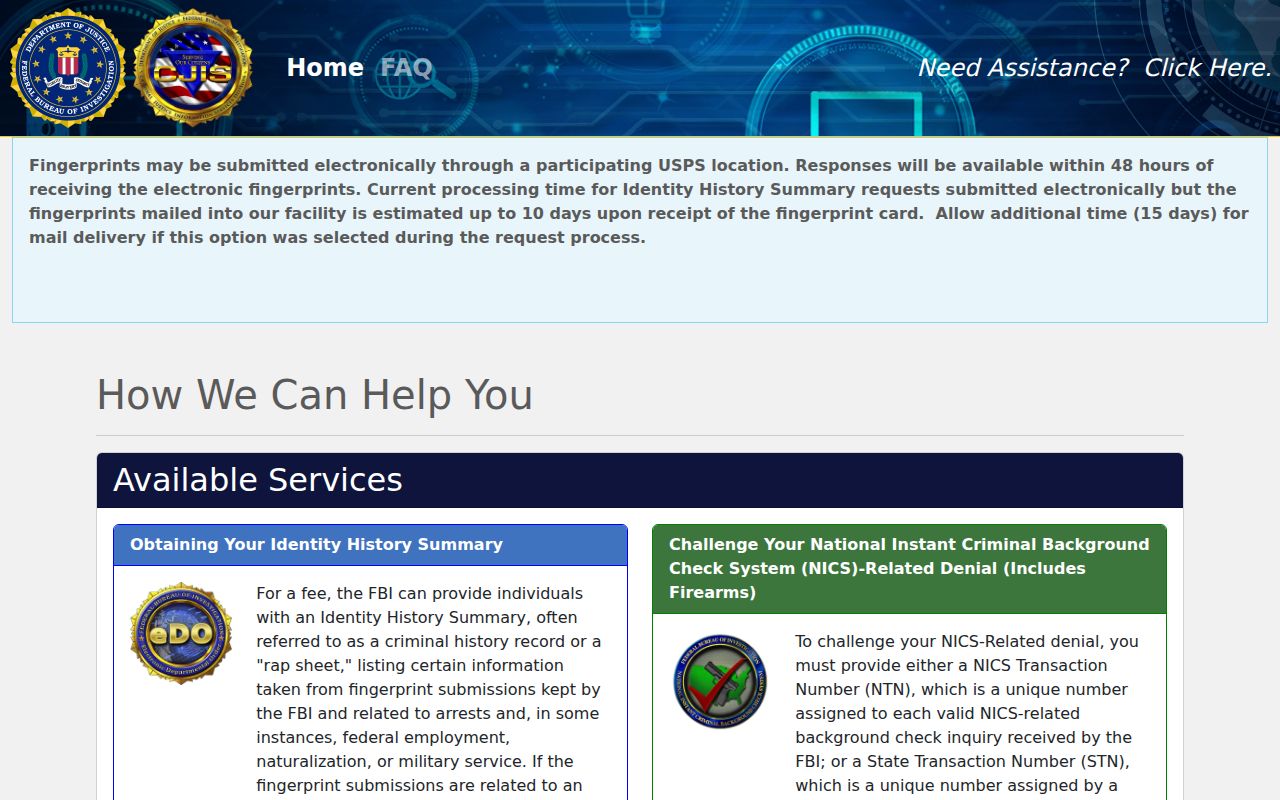
An FBI result does not certify the contents of a Storey County court docket, and it cannot replace a call to the local record holder.
Official Nevada Background Checks
The Nevada State Police Records, Communications and Compliance Division keeps the Central Repository for Nevada Records of Criminal History. Its public process is a subject-of-record request. It is not an open name search for anyone who wants another person's statewide rap sheet. Authorized Repository users have a separate Civil Name Check program under Nevada law.
A manual own-record request uses an original FD-258 fingerprint card with rolled prints and flat impressions. The card must carry required identity details, the subject's signature, and the fingerprint technician's date and signature. RCCD materials list a $27 Nevada request fee paid in exact funds by money order or certified or cashier's check. Current instructions and cost should be checked before filing. RCCD states a processing period of up to 30 calendar days, plus delivery time.
The Nevada Records Bureau overview shows the state criminal-record channels.
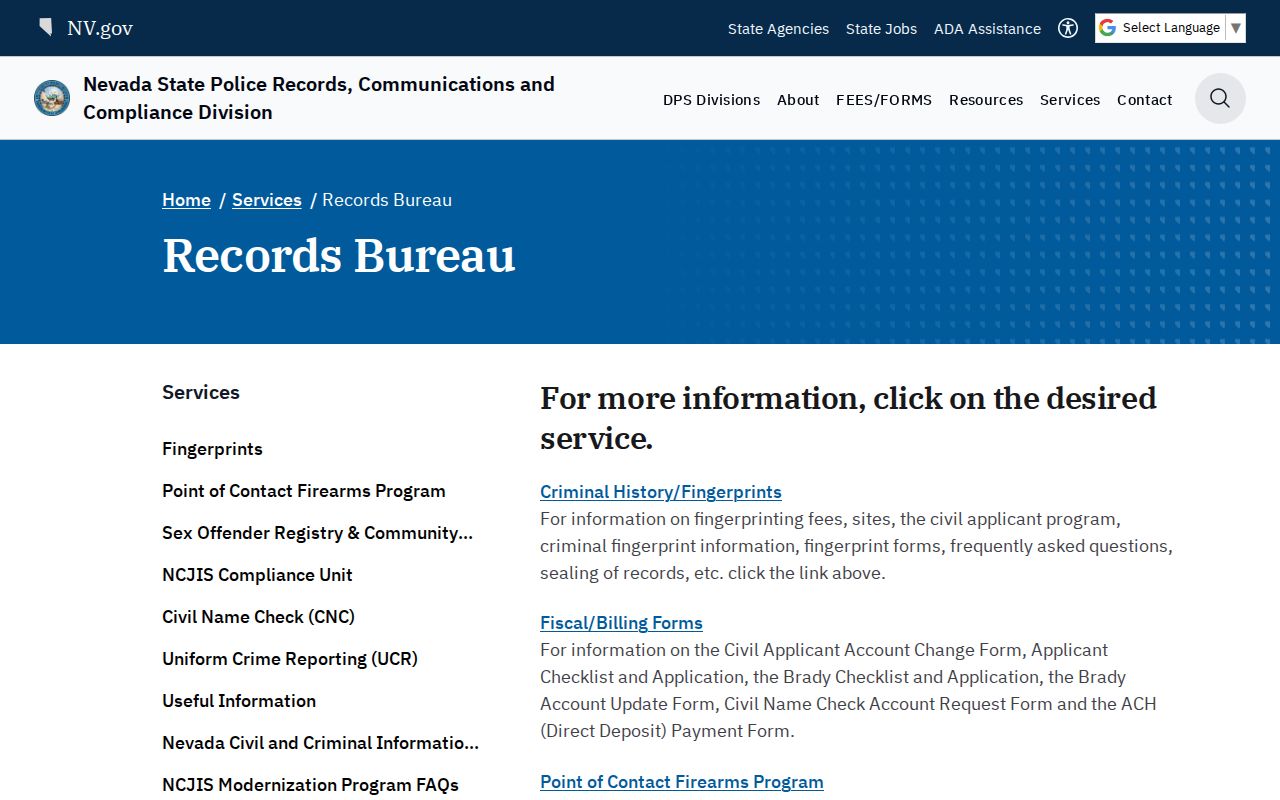
That state hub separates criminal-history requests, fingerprint services, Civil Name Check, and registry functions that a Storey County court inquiry cannot combine.
RCCD and Storey County Court Records
RCCD and the Storey County courts answer different questions. The Repository groups fingerprint-supported arrest cycles and reported outcomes across Nevada. A local court file has the filed complaint or information, motions, hearing entries, judgment, sentence, and other case documents. Reporting delays can leave a Repository cycle without a final outcome, while the clerk may already have the signed disposition. A court file can also contain detail that does not belong on a rap sheet.
The official Nevada criminal-history request page provides own-record and challenge routes.
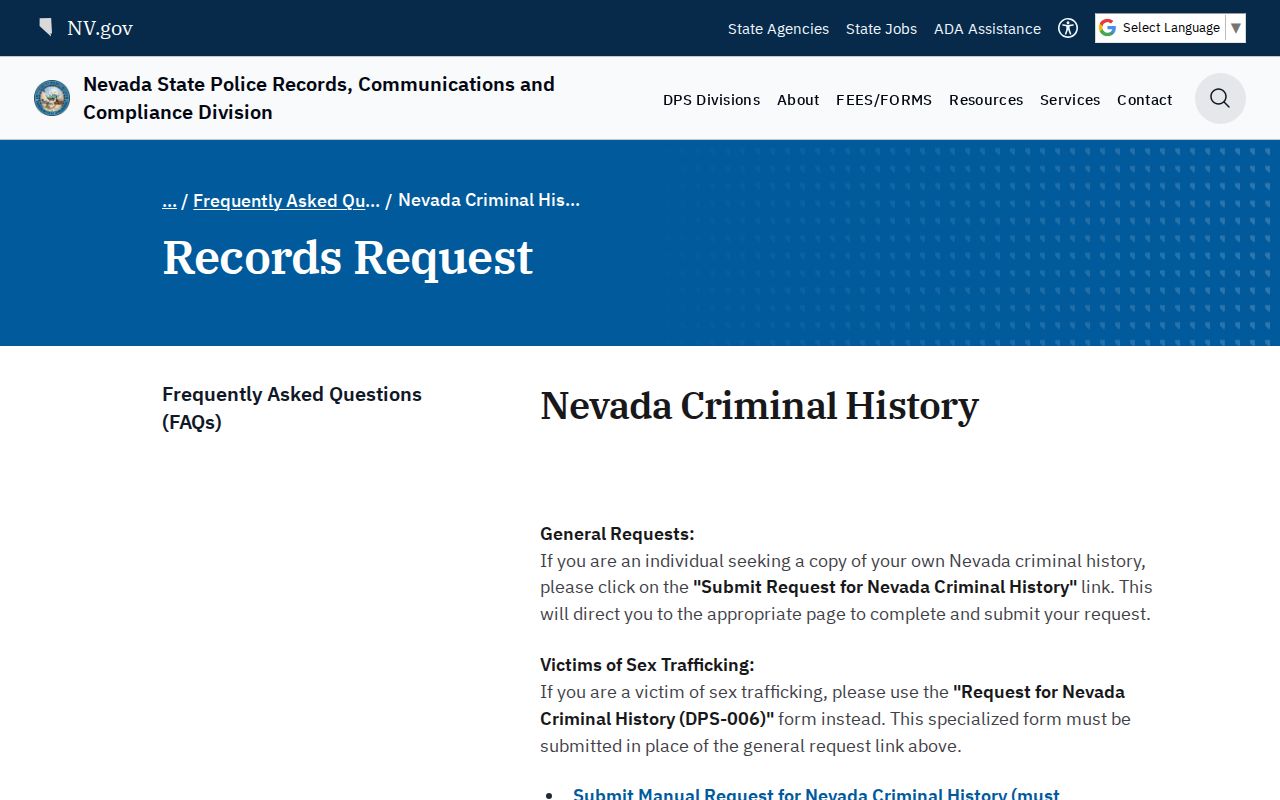
Use that state channel to see or challenge the statewide entry, but return to the Sheriff or court when the error began in a Storey County source record.
Types of Criminal Records
One incident can produce several Storey County records. A deputy creates an incident or arrest report. The Detention Center creates a booking file if custody follows. A complaint or citation starts the Justice Court case. Serious charges may later reach District Court. Fingerprints and reported dispositions can then enter the Nevada Repository. Prison, supervision, and registry agencies create still more records when the facts call for them.
- Incident and arrest report: the agency account of the event, legal basis, evidence, and custody.
- Booking record: the jail intake, identity check, alleged charges, property, bond, and custody status.
- Court case file: filed counts, docket events, pleas, orders, judgment, and sentence.
- Repository history: fingerprint-linked arrest cycles and the outcomes reported to Nevada.
- Custody or supervision record: county jail, NDOC prison, probation, or parole information.
- Registry record: public information authorized under Nevada's sex-offender law.
The Federal Bureau of Prisons locator represents the federal custody branch.
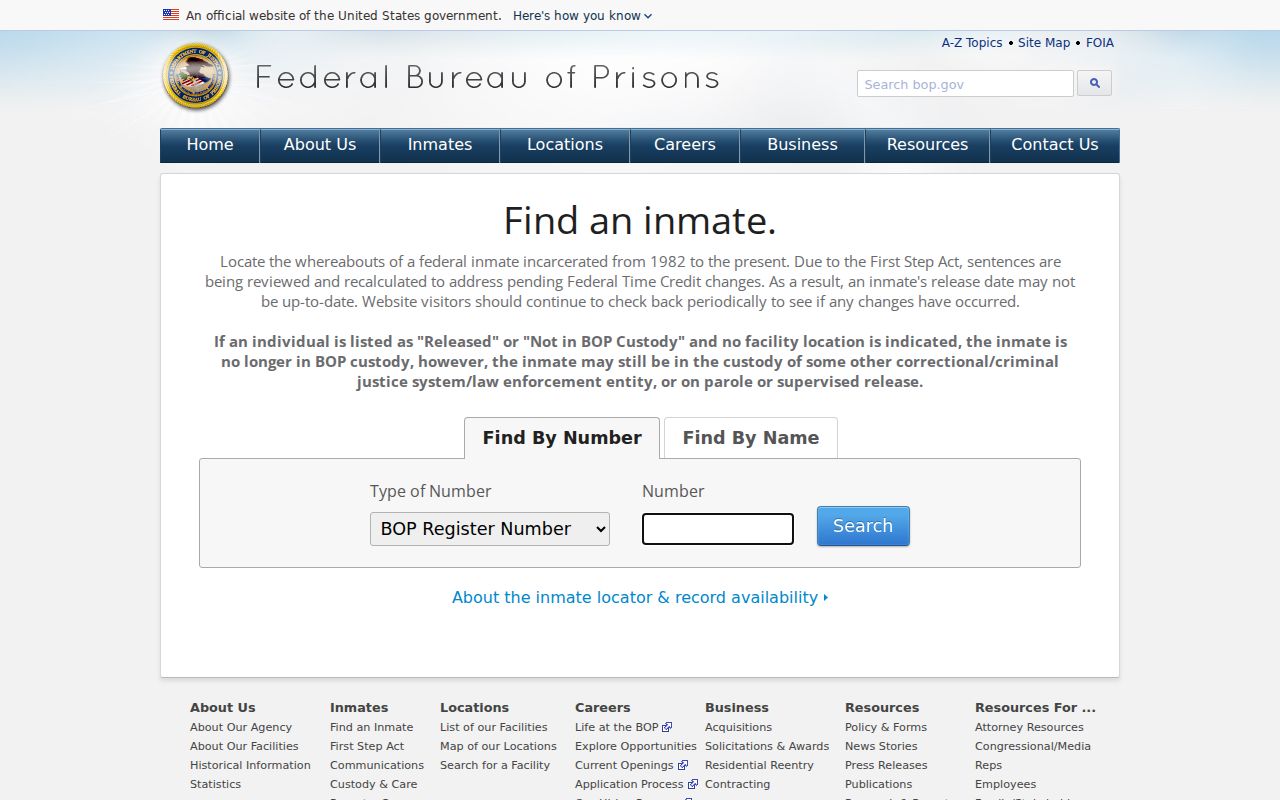
A federal locator entry is not a Storey County jail booking or an NDOC prison record, even if the case has a local connection.
For a court outcome, use the Storey County criminal court case record rather than treating the arrest label as the final charge.
Three Storey County Records Prove Different Facts
An arrest record shows that an agency took action and recorded an allegation. It does not prove guilt. A court file shows what prosecutors filed and how each count was resolved. The Repository history groups identity, arrests, and outcomes reported statewide. Charges may change between booking, prosecution, and judgment, so the three records should not be read as copies of one another.
- Booking
- Jail intake that records custody, identity, property, fingerprints, a photograph, and allegations.
- Disposition
- The court's outcome for a charge, such as conviction, dismissal, or acquittal.
- Dismissal
- The end of a charge without conviction; a public record may remain until it is sealed.
- Bench warrant
- A judge's warrant, often issued after a person fails to appear or comply.
- Sealing
- Nevada's process for restricting a qualifying record from ordinary public access.
“No result” can mean a name variation, wrong court, archive status, reporting delay, sealing, or a search that covers only prison or appellate records. Check the source that made the fact.
What a Storey County Criminal Record Shows
A Storey County criminal record has meaning only when its source is clear. Repository files center on identity and fingerprint association. Court files center on charges and judicial events. Booking records center on intake and custody. Sensitive identifiers, juvenile information, victim details, medical data, sealed content, and protected investigative facts may be withheld or redacted.
| Name & Identifiers | Legal name, aliases, birth date, physical descriptors, and state or transaction identifiers where lawfully shown. |
|---|---|
| Arrest / Booking Data | Agency, event date, intake data, allegations, bond, holds, and custody status. |
| Charges & Statutes | Charges at arrest or counts actually filed, with Nevada statute and offense class. |
| Disposition | Charge-by-charge result, including conviction, acquittal, dismissal, or another court outcome. |
| Sentence | Custody, probation, fines, restitution, and other terms in the judgment. |
| Custody / Supervision | County detention, NDOC status, parole data, or a public judgment showing probation. |
A pending label means the matter is not resolved. A release from custody does not mean dismissal, and a dismissal does not become a conviction merely because the booking allegation remains elsewhere.
Storey County Custody and Prison Records
Storey County Detention Center, not an online roster, is the local source for current county custody. The 25-adult facility handles local detention and sends juveniles to Carson City's juvenile facility. A caller should ask for booking status, the court of jurisdiction, bond channel, and public release information. Court staff, not jail staff, should explain case status. Once a person receives a Nevada prison commitment, the search moves to NDOC.
The NDOC Inmate Search displays its ID and name-search routes.
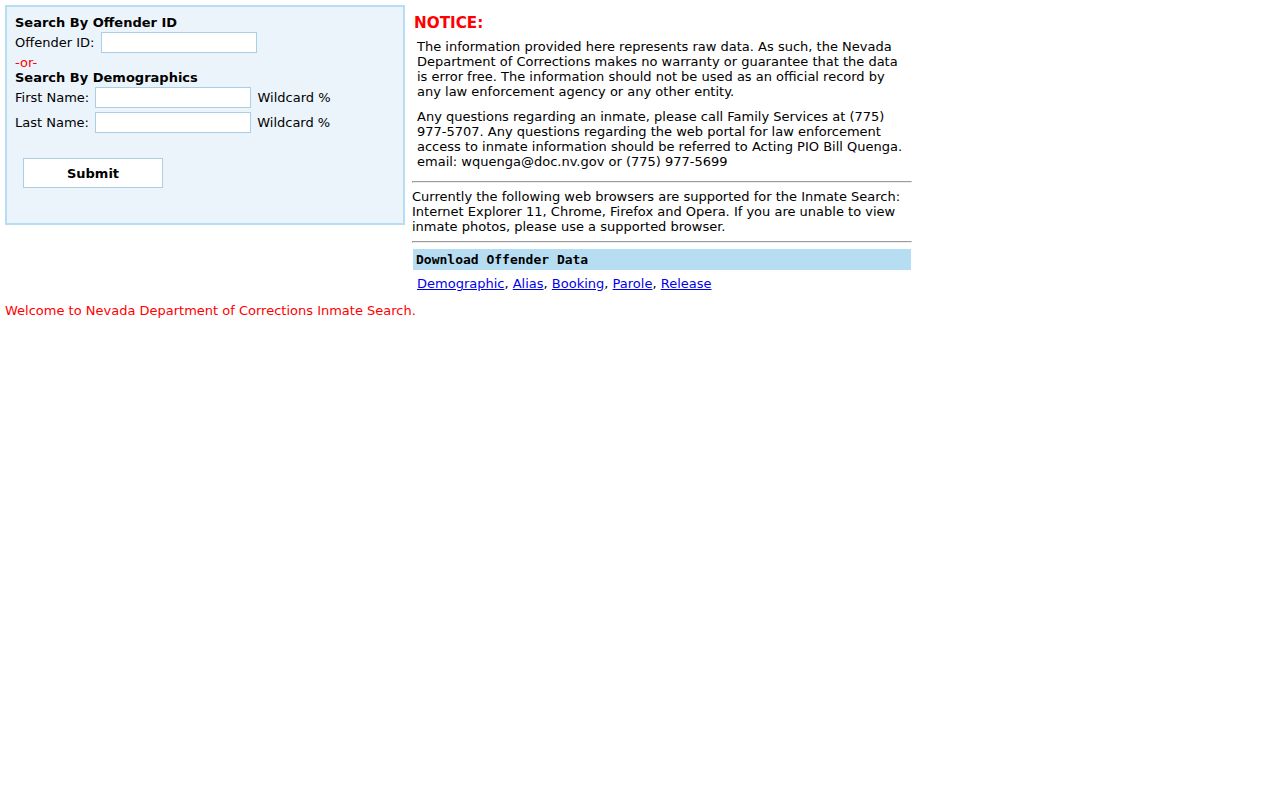
NDOC accepts an Offender ID or first and last name, supports the percent sign as a wildcard, and labels its data as raw rather than an error-free official law-enforcement record.
| Field | Route | Format note |
|---|---|---|
| Offender ID | Search by identifier | Use the exact number |
| First Name | Demographic search | Percent wildcard is supported |
| Last Name | Demographic search | Percent wildcard is supported |
Public Access Laws
Nevada Public Records Law applies to identifiable existing government records unless another law makes material confidential. Storey County may redact protected information, and staff do not have to research a question or create a new list. Court files follow the clerk's process rather than the county's general form. Repository access follows Nevada's criminal-history dissemination rules. A sealing order and juvenile confidentiality also override a broad public-record request.
Key Nevada laws:
NRS 239.010, 239.052, and 239.055 open nonconfidential records while requiring protection of personal information.
NRS 179A.100 and 179A.150 govern criminal-history release and a subject's inspection and challenge rights.
NRS 179.245 and 179.255 govern qualifying sealing after conviction and after dismissal, declination, or acquittal.
Ask for the written legal basis when a Storey County custodian denies access or removes content. Redaction may be the lawful answer when only part of a record is protected.
Storey County Public-Records Form Limits
The Storey County public-record request form is the formal fallback for an identifiable Sheriff or agency record. Choose the likely department and describe the existing item with a record type, date range, incident number when known, and involved names. Narrow facts help staff locate the file. The county warns that legal review and redaction may add time.
The form is not a criminal-history research service. Staff need not answer a question, organize data, or create a record. A person's court file must go to the court, and HIPAA material goes to the relevant office. Because the web form travels by email, do not put Social Security, driver's-license, passport, tax, medical, password, bank, routing, or card data in its narrative.
| Request field | Use | Storey County note |
|---|---|---|
| Requester and contact | Supplies a response route | Use a working channel but omit sensitive identifiers |
| Department or custodian | Routes the request | Select Sheriff for a law-enforcement report |
| Record description | Identifies the existing item | Add type, incident or case number, and subject names if known |
| Date range | Narrows the search | A tight span may reduce delay and cost |
| Delivery information | Directs the response | Recheck the live form before submission |
No filing fee is stated for the county web form. Sheriff, detention, and court copy fees were not published in the official sources, so request an estimate before ordering a large or certified set.
Sealed, Expunged & Restricted
Nevada generally seals criminal records rather than destroying them. Eligibility and waiting time under NRS 179.245 depend on the offense and run from the latest of release from custody, discharge from probation or parole, or sentence completion. Some offenses are excluded. NRS 179.255 covers cases ending in dismissal, prosecutor declination, or acquittal, while separate rules govern juvenile matters.
A Storey County sealing effort begins by identifying every Justice Court and District Court file and securing current dispositions. The filing must go to the court required by law, with service on the prosecuting authority when required. Storey County publishes no local packet, fee, or clinic, so the clerk should confirm the current form, filing cost, and procedure. After an order, certified copies may need to reach the Sheriff, court, and Repository.
Sealing blocks ordinary public access, but authorized criminal-justice access may remain. It also may not erase every downstream copy at once. A later RCCD self-review and court-index check can show whether the source systems reflect the order.
Storey County Warrant Records Without Portal
No official Storey County warrant search or most-wanted page was found. A misdemeanor or traffic bench warrant starts with Virginia Township Justice Court. A serious-case warrant belongs with the District Court clerk. The Sheriff can address execution or custody information, and a narrow NRS 239 request may reach a releasable agency record. Sealed, juvenile, and sensitive unserved warrant material may remain unavailable.
Do not arrive without warning merely to ask about an active warrant. Call the issuing court or obtain legal advice about surrender, calendar, bond, and clearance. The Justice Court warns that failure to appear can lead to a warrant and license effects. Paying a citation does not by itself prove that a warrant was recalled. Confirm both the court action and the update sent to law enforcement.
Storey County uses a compact but divided records chain: Court issues warrant → Sheriff executes or records custody → Court clears or resolves the case. Each office can verify only its own part.
Storey County Supervision Records
Adult probation and parole supervision are state run in Nevada. A Storey County judgment shows the sentence, but detailed supervision files, officer assignments, risk information, and medical facts are not presumed public. The Nevada Division of Parole and Probation handles community supervision. The Nevada Board of Parole Commissioners makes release decisions. NDOC data may show parole or release fields for a person who entered the state prison system.
The Nevada supervision agency source identifies the division responsible for probationers and parolees.
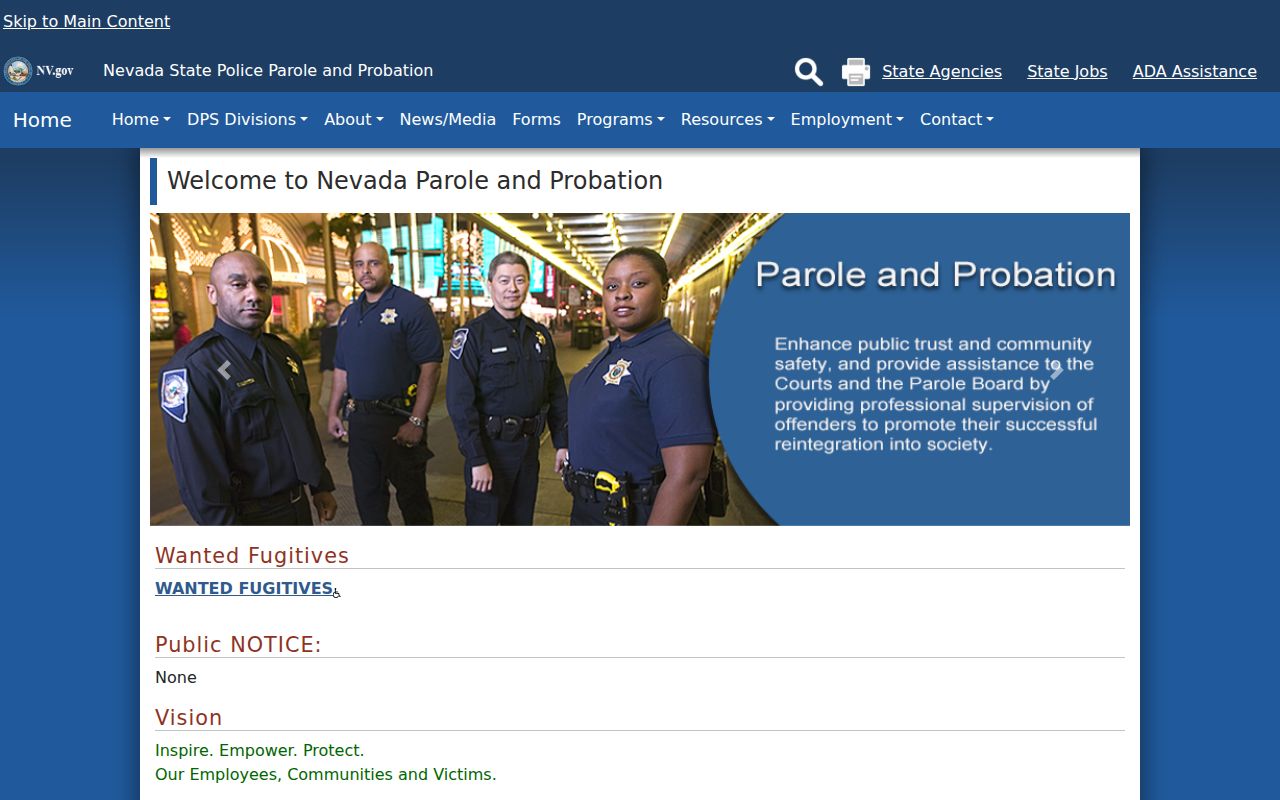
For a Storey County case, read the court judgment first, then ask the state division what status information can lawfully be released.
The Nevada Board of Parole Commissioners source explains the separate release-decision role.
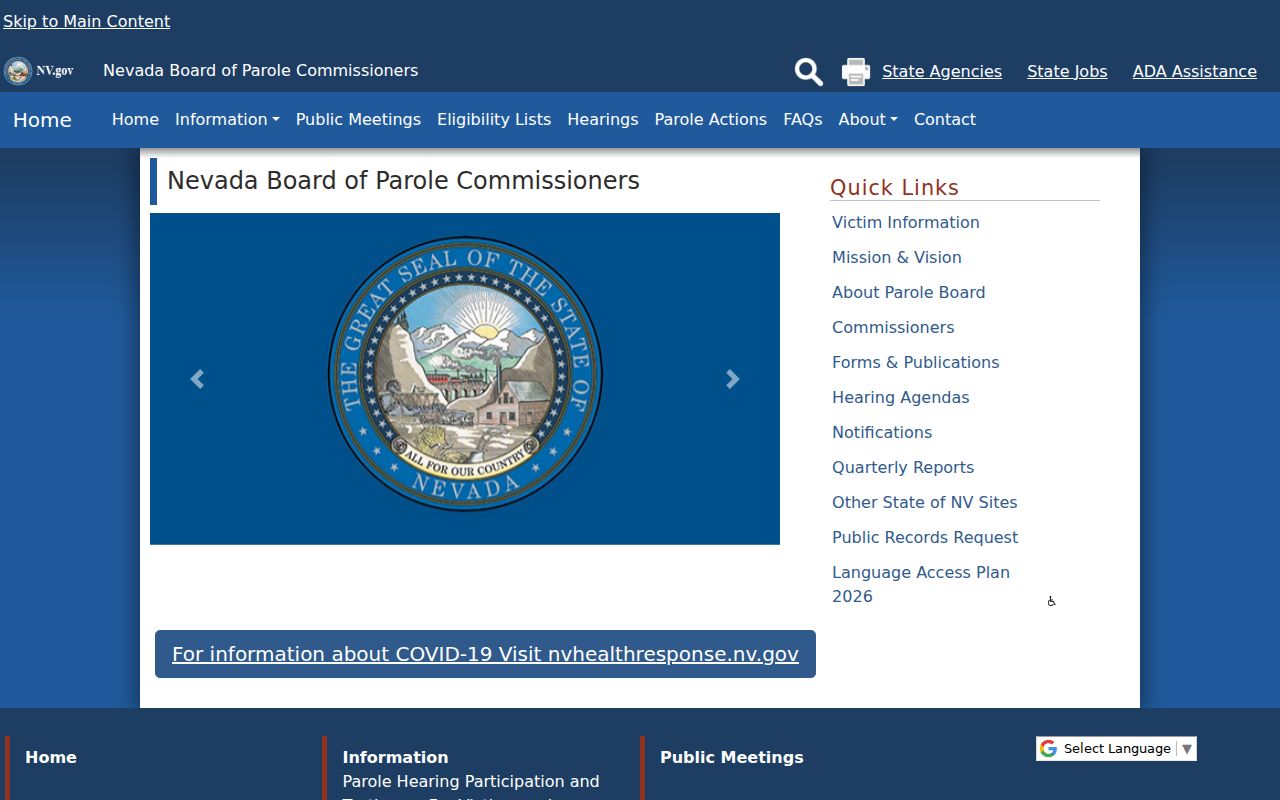
This split matters: the board decides release, while Parole and Probation provides community supervision after release.
Storey County Criminal Record Offices
Storey County's core record custodians sit at separate Virginia City addresses. The Sheriff Main Office is the first stop for local incident and arrest records. Detention holds booking and current-custody information. Virginia Township Justice Court keeps misdemeanor files and early serious-case proceedings. The Clerk/Treasurer serves as the District Court clerk for cases that advance.
Storey County Sheriff
205 South C Street
Virginia City, NV 89440
775-847-0959
Storey Detention Center
911 State Route 341
Virginia City, NV 89440
775-847-0929
Virginia Township Justice Court
800 South C Street
Virginia City, NV 89440
775-847-0962
First Judicial District Clerk
26 South B Street, Drawer D
Virginia City, NV 89440
775-847-0969
The Storey County District Attorney source shows the prosecution office and victim-advocate contacts.
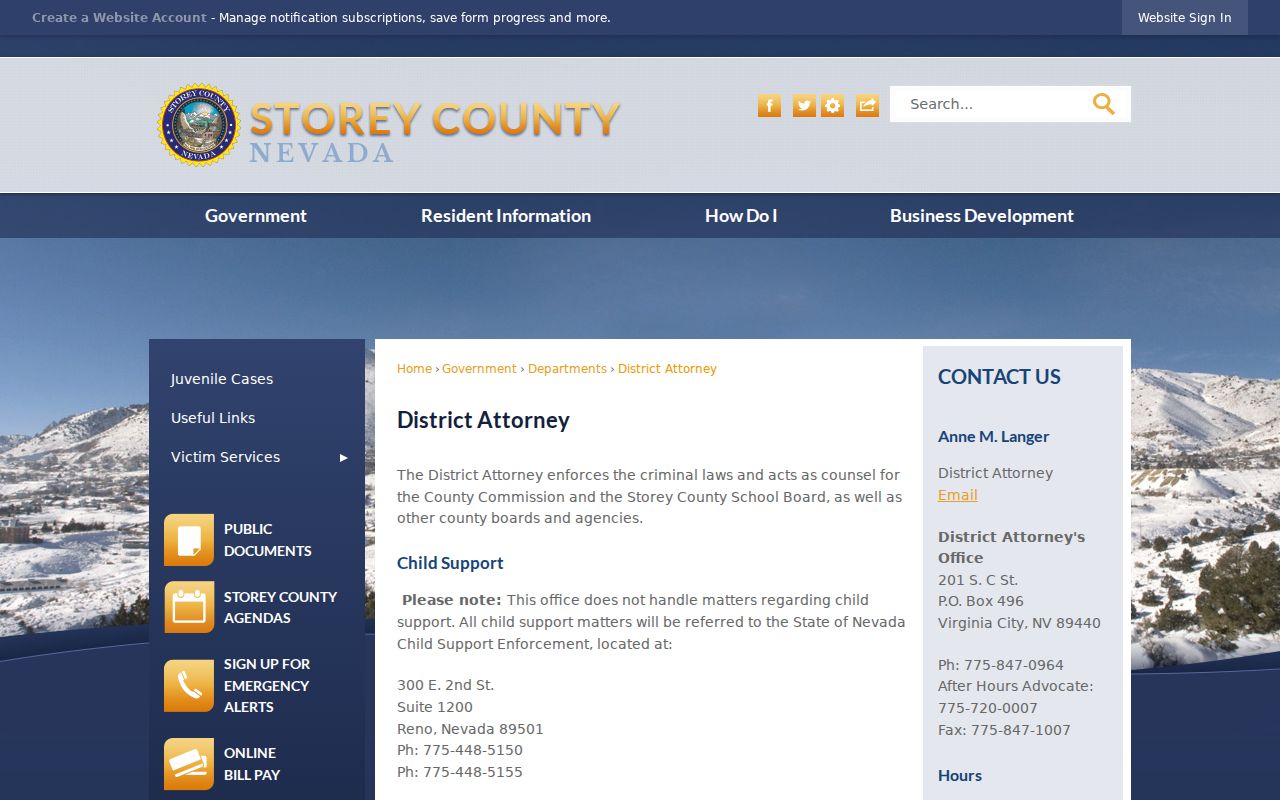
The DA decides what charges to pursue, while the court clerk remains the source for the filed record and final disposition.
Storey County Record Access Context
Storey County is small, spread out, and older than many Nevada counties in both population profile and courthouse history. Census QuickFacts gives a July 2025 estimate of 4,260 residents across 263.78 square miles, with 36.3 percent age 65 or older in the 2020 through 2024 profile. Phone, mail, and remote options have real value when residents live far from the Virginia City offices.
The Census Storey County profile supplies that demographic setting.
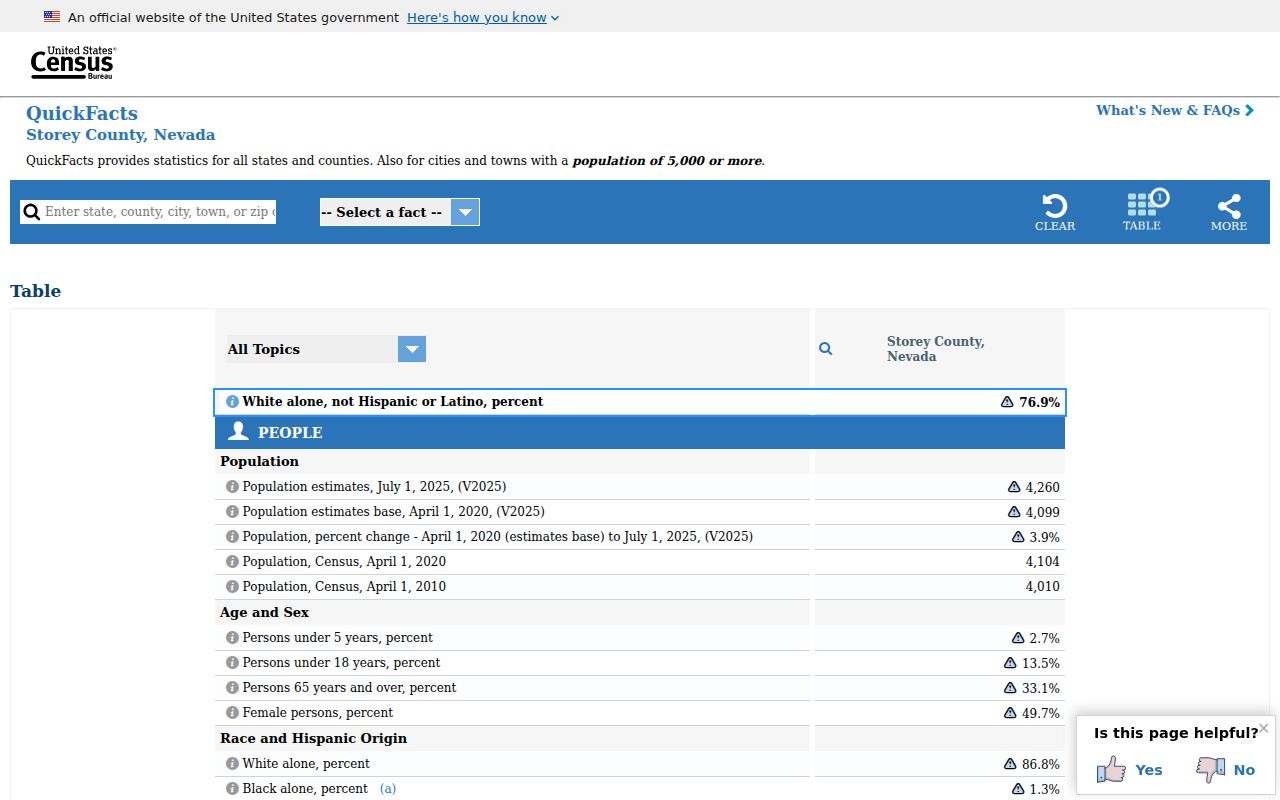
The figures explain why a countywide records chain and several Sheriff locations matter, but they are not crime counts.
Criminal Records by City in Storey County
Storey County has no incorporated cities, city police departments, or municipal courts. Virginia City is included as the one manifest-authorized locality because it is the unincorporated county seat and the physical center of the county criminal-record system. Its records come from county and township offices, not from a Virginia City government. Lockwood, Gold Hill, and McCarran/TRIC also use the Sheriff, Virginia Township Justice Court, District Clerk, and statewide Nevada sources.
Virginia City Criminal History
Unincorporated county-seat locality served by the Storey County Sheriff and Virginia Township Justice Court.
Storey County's historic courthouse dates to 1876 and is described by the county as Nevada's oldest continuously operating courthouse. Justice Court remains at a separate South C Street site. That split explains why a serious case can begin with the township court and later produce a District Court file in the historic courthouse.